
As naloxone becomes more widely available over the counter, more people are choosing to carry it much like a first‑aid kit or an EpiPen®. And for good reason: opioid overdoses remain a persistent public health challenge.

That is why Emergent has introduced a new carrying case for NARCAN® Nasal Spray, which includes two 4 mg devices. The case is designed to be easy to carry, compact, discreet and durable, with the goal of integrating seamlessly into daily life to help encourage individuals to have the product readily available in the event of an opioid emergency.
Many potential carriers still wonder what situations they may encounter and what using naloxone involves. If you’re considering carrying NARCAN® Nasal Spray, here are some things you should know.
You don’t need medical training to use it.
NARCAN® Nasal Spray is easy to use. They require no assembly, no needles, and no specialized background. Public health organizations emphasize that laypeople are fully capable of recognizing an overdose and administering naloxone safely.
Even if you never need to use it, having it matters.
Carrying naloxone means being prepared for the unexpected. Overdoses can happen anywhere: in public spaces, at workplaces, in homes and increasingly involving people who may not even know they’ve consumed fentanyl‑contaminated substances. Communities with widespread naloxone access report meaningful reductions in the number of opioid overdose deaths.
If you do use it, the steps are simple.
Recognizing an opioid overdose often involves identifying slowed or stopped breathing, pinpoint pupils, or unresponsiveness.
Using NARCAN® Nasal Spray consists of three simple steps: Lay, Spray, Stay.
Lay the person on their back and tilt their head up. Spray the nasal naloxone into either nostril. Call 911 immediately after administration and stay with the person. If the person doesn’t respond in 2–3 minutes, a second dose can be given.
Learn more about how to administer naloxone here.
The experience may be emotional, but could make all the difference in someone’s life.
Some who have administered naloxone have described the moment as intense and stressful, and some others recount a sense of calm. The act can be life‑changing, not just for the person revived, but for the bystander who stepped in. Stories from families and advocates highlight the power of preparedness and how more people carrying naloxone can help break stigma.
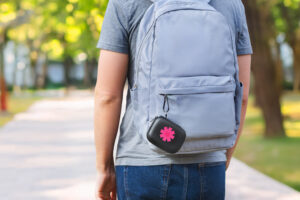
A Tool Worth Carrying
Carrying naloxone doesn’t mean you expect to encounter an opioid overdose. It means you’re prepared if you do. It’s an act of community care, a commitment to harm reduction and a practical way to save a life. As public health organizations and community advocates continue expanding access and awareness, naloxone is becoming as essential, and as common, as any other emergency tool.